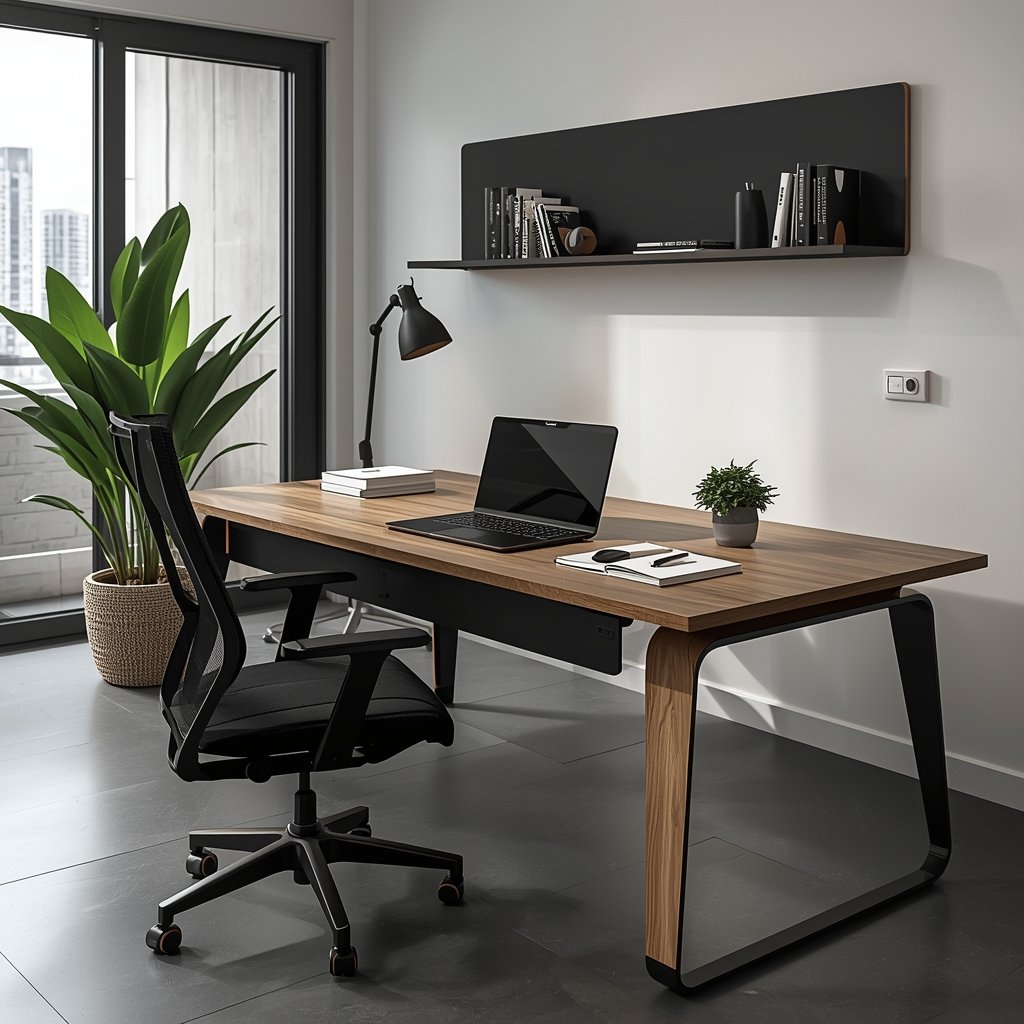
Office organization goes far beyond aesthetics. A well-structured workspace directly influences productivity, mental clarity, and the professional image your business conveys to clients and partners.
For small businesses and startups, the work environment acts as an extension of the brand. A chaotic space communicates improvisation; an organized space communicates control, purpose, and growth.
Inspired by principles of Feng Shui and Japanese minimalism, this article presents practical guidance to create a functional, balanced, and productive office.
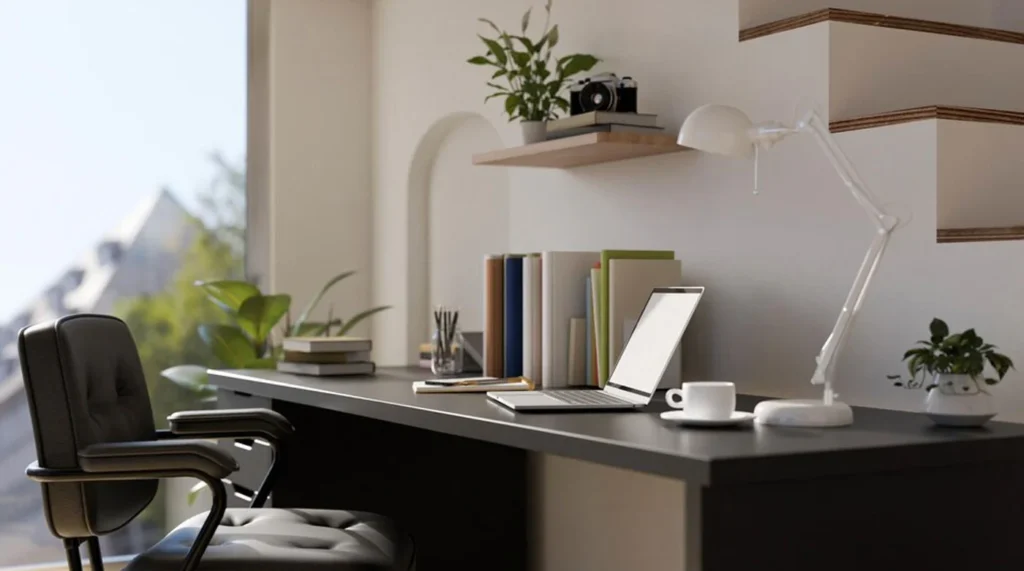
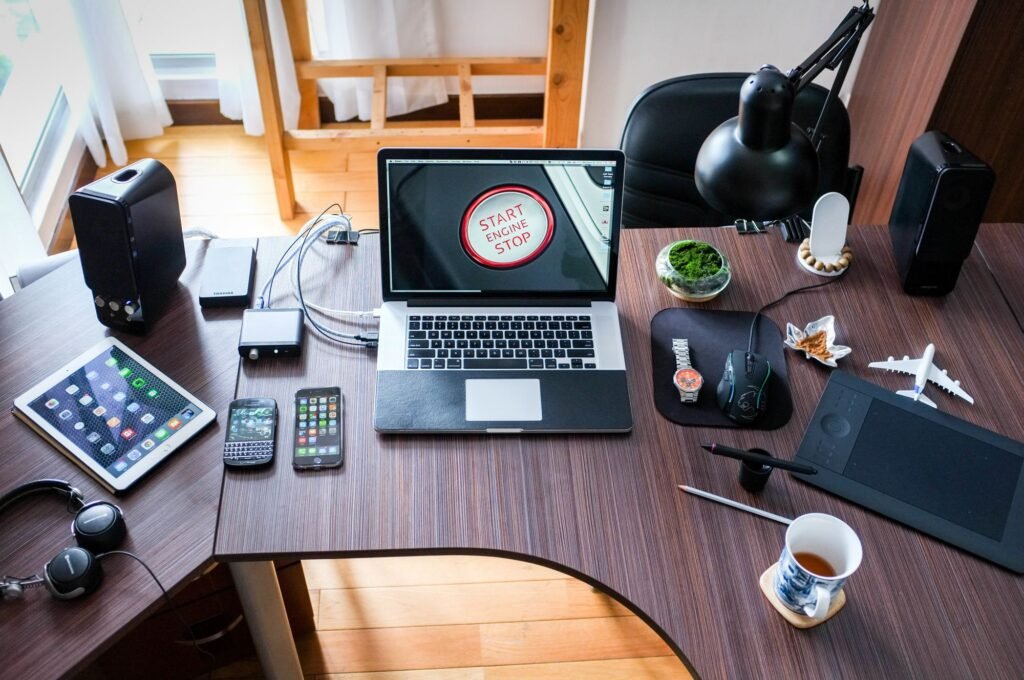
The Importance of Organization in the Workplace
A disorganized workspace leads to:
- Time wasted searching for documents or tools
- Increased stress
- Difficulty concentrating
- An unprofessional appearance
An organized office, on the other hand:
- Improves daily performance
- Streamlines processes
- Reduces distractions
- Builds credibility
In Eastern philosophy, the external environment reflects the internal state. When the space is orderly, the mind tends to operate with greater clarity.
Eastern Principles Applied to the Office
Less Is More (Japanese Essentialism)
Keep only what you truly use on your desk:
- Computer or laptop
- Notebook or planner
- Pen holder
- One inspiring object (plant, symbol, or quote)
Anything not used daily should be stored away.
Desk Position and Sense of Control (Feng Shui)
Whenever possible:
- Place your desk facing the entrance
- Avoid working with your back to the door
- Keep a wall or cabinet behind you
This represents stability, protection, and strategic vision.
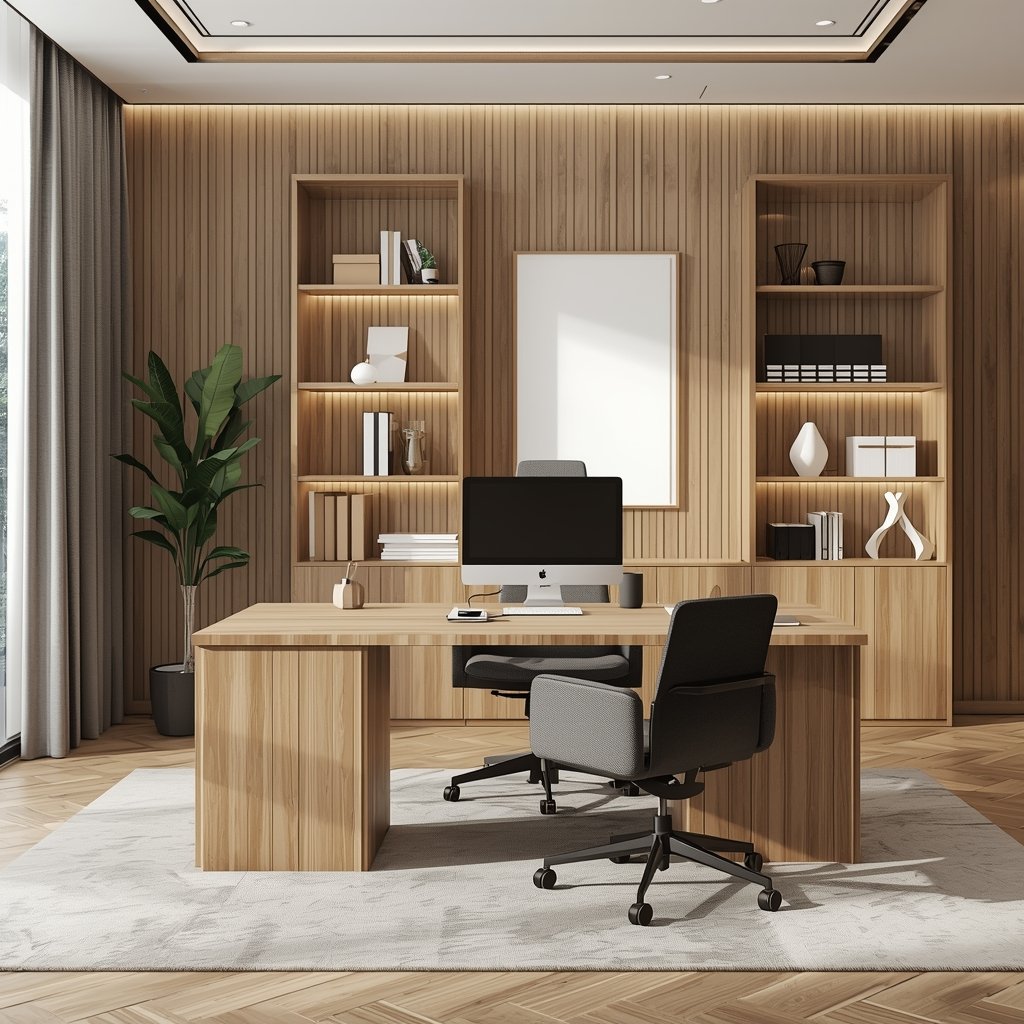
Organization by Categories
Separate materials by purpose:
- Financial
- Administrative
- Production
- Personal or archived files
Use:
- Folders
- Storage boxes
- Labels
This reduces decision fatigue and speeds up tasks.
Lighting and Energy Flow
Natural Light and Mental Clarity
- Prefer natural lighting
- Avoid shadows over the desk
- Do not block windows
Light symbolizes clarity and expansion.
Cables and Visual Noise
- Organize wires
- Avoid excess objects
- Keep walkways clear
Less visual clutter = more focus.
Practical Tips for Small Businesses
Standardize the Workspace
Use:
- Neutral colors
- Matching storage containers
- Minimal decorative items
This creates visual identity and conveys structure.
Digitize What You Can
Convert to digital:
- Contracts
- Receipts
- Documents
This saves physical space and speeds up workflows.
Create an Organization Routine
- 5 minutes at the end of each day
- 15 minutes at the end of each week
Organization is maintenance, not a one-time task.
Add Natural Elements
- Small plants
- Green tones
- Natural materials
In Eastern philosophy, this supports creativity, focus, and balance.
Organization as a Branding Strategy
An organized office communicates:
- Professionalism
- Reliability
- Discipline
- Growth
Even small companies can project a strong business image when their workspace is well maintained.
Conclusion
Organizing your office is not just about aesthetics — it is an operational and strategic decision.
A clean and functional environment improves:
- Productivity
- Mental clarity
- Brand perception
Drawing inspiration from Feng Shui and Japanese minimalism means understanding that:
Organizing your space is organizing the future of your business.
Small changes today lead to significant results tomorrow.