An ergonomic chair is one of the most important elements in any office or home office. Since most professionals spend several hours seated each day, choosing the right chair directly affects posture, productivity, and long-term health.
In this article, you will learn how to choose the best ergonomic chair for your office or home office, understand the key features that matter, and see why investing in comfort is also investing in performance.
Why Ergonomic Chairs Matter
A poor-quality or incorrect chair can cause:
- Back and neck pain
- Poor posture
- Fatigue and reduced focus
- Long-term spinal problems
An ergonomic chair, on the other hand:
- Supports natural posture
- Reduces pressure on the spine
- Improves circulation
- Increases comfort and concentration
For small businesses and remote workers, the chair is not just furniture — it is a productivity tool.
What Is an Ergonomic Chair?
An ergonomic chair is designed to adapt to the human body and support healthy posture during long periods of sitting. Unlike traditional chairs, ergonomic models offer adjustability and lumbar support to reduce strain on muscles and joints.
Key characteristics include:
- Adjustable height
- Lumbar support
- Armrest adjustment
- Backrest recline
- Seat depth control
How to Choose the Best Chair for Office or Home Office
Seat Height and Depth
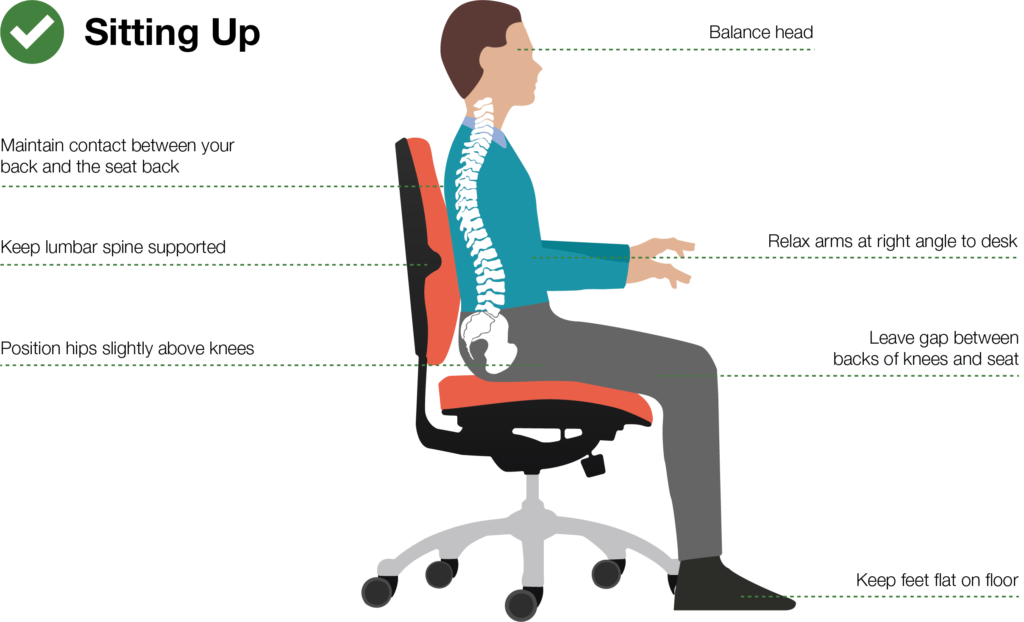
The ideal chair should allow:
- Feet flat on the floor
- Knees at a 90-degree angle
- Thighs supported without pressure
This improves circulation and prevents discomfort.
Backrest and Lumbar Support
The backrest should:
- Follow the natural curve of the spine
- Provide firm lumbar support
- Allow slight recline
Proper back support reduces lower back pain and improves posture.
Armrests and Shoulder Position
Armrests should:
- Keep shoulders relaxed
- Allow elbows to rest at 90 degrees
- Avoid lifting or compressing the shoulders
Adjustable armrests help prevent tension in the neck and upper back.
Materials and Comfort
Breathable Fabrics
Mesh and breathable materials:
- Reduce heat buildup
- Increase airflow
- Improve comfort for long sessions
Cushioning and Seat Padding
Good padding should:
- Be firm, not too soft
- Distribute body weight evenly
- Maintain shape over time
Cheap padding loses support quickly and harms posture.
Ergonomic Chair for Productivity
A comfortable chair:
- Reduces fatigue
- Improves focus
- Increases work endurance
- Encourages better posture habits
When the body is well supported, the brain works more efficiently.
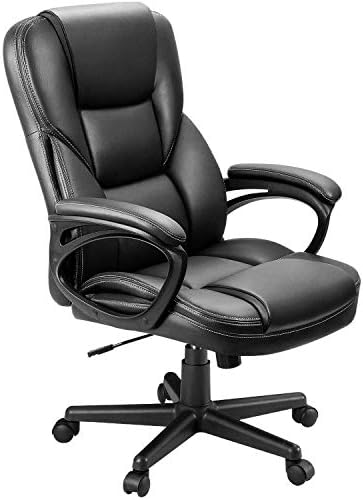
- Comfortable Design: The wide office chair features a thick, soft, and elastic sponge in both the backrest and seat cushi…
- Deluxe PU Leather: This leather office chair boasts a deluxe embossing pattern and is upholstered in durable, scratch-re…
- Multifunctional Adjustability: With a robust 400lbs weight capacity, the reclining office chair offers adjustable reclin…

- 【Your All-Day Comfort Solution】 Premium Ergonomic Desk Chair with Footrest featuring dynamic 3D lumbar support, 5D Flip-…
- 【Engineered with Dynamic Spinal Alignment System】3D Synchro-Tilt Lumbar(Lockable ±1.6″ depth spring-loaded auto-tracking…
- 【Smart Space-Saving Features】 5D Flip-Up Armrests with skin-friendly panels – 27% denser EVA foam padding achieves Zero-…

- 𝐇𝐢𝐠𝐡-𝐄𝐧𝐝 𝐋𝐮𝐱𝐮𝐫𝐲 𝐋𝐞𝐚𝐭𝐡𝐞𝐫: This office chair is crafted with a special type of top-notch imitation leather that’s not only…
- 𝐂𝐨𝐦𝐟𝐨𝐫𝐭𝐚𝐛𝐥𝐞 𝐄𝐫𝐠𝐨𝐧𝐨𝐦𝐢𝐜 𝐃𝐞𝐬𝐢𝐠𝐧: Engineered with ergonomics in mind, the backrest of this executive office chair aligns per…
- 𝐕𝐞𝐫𝐬𝐚𝐭𝐢𝐥𝐞 𝐀𝐝𝐣𝐮𝐬𝐭𝐚𝐛𝐢𝐥𝐢𝐭𝐲: You can effortlessly customize the seat height, backrest angle, and armrest positions with this…
Office and Home Office Design with Ergonomic Chairs
Matching the Chair with the Desk
The chair and desk must work together:
- Chair height aligned with desk height
- Screen at eye level
- Arms resting comfortably
This combination prevents repetitive strain injuries.
Aesthetic and Professional Image
An ergonomic chair also contributes to:
- A professional workspace
- A modern and clean look
- A confident impression in video calls
Comfort and image can coexist.
Common Mistakes When Choosing Office Chairs
- Choosing based only on appearance
- Ignoring lumbar support
- Buying non-adjustable models
These mistakes lead to discomfort and reduced productivity.
Conclusion
Choosing the right ergonomic chair for office and home office is essential for health, comfort, and productivity.
A good chair provides:
- Posture support
- Long-term comfort
- Improved work performance
- Professional workspace image
By investing in an ergonomic chair, you are investing in your well-being and in the quality of your work.
A healthy posture builds a stronger body and a more productive mind.